


News & Events
Sandra Camarero on Tissue Regeneration and Research Challenges
📢 “In most jobs, long-term leave means someone replaces you. In research, maternity leave often means working from home.”
🔊 “Artificial organs get a lot of hype, but we’re still far from complex ones like the heart — an ear is very different.”
🧫 “One of our focuses is creating human artificial tissues to test drugs without animal use.”
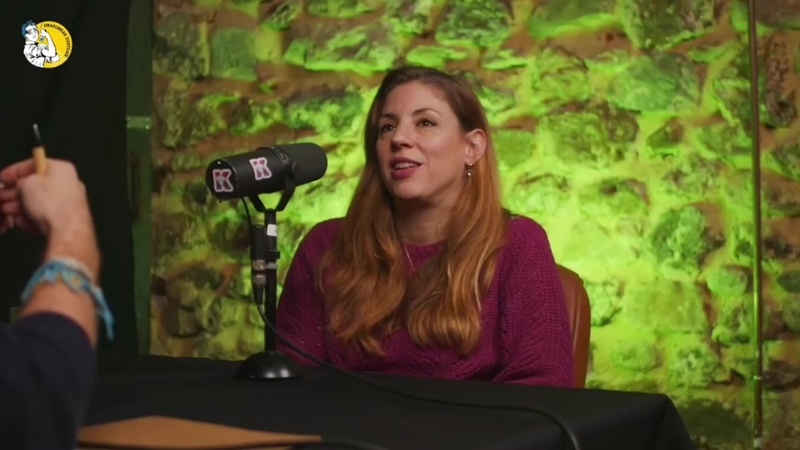
Prof. Sandra Camarero Espinosa, Principal Investigator at POLYMAT (https://camarerolab.com/), recently appeared on the BIOOKLAB podcast, where she spoke in #Euskera about smart materials for tissue regeneration via 3D printing, as well as the structural challenges women face in science when striving for equal opportunities.
The conversation offered a critical reflection on the current state of research and academic working conditions, while maintaining an optimistic outlook: progress is possible if we acknowledge the challenges that still lie ahead.
Among the topics discussed were:
-
The importance of interdisciplinarity in research, exemplified by her first PhD student, Garazi Larrañaga Jaurrieta, a mechanical engineer whose work demonstrated the strength of cross-disciplinary collaboration.
-
The gap between media narratives and scientific reality in tissue engineering: although bone and cartilage constructs can replicate the external appearance of native tissues, their internal structure and full functionality remain highly complex. Engineering a heart, for example, is far more challenging than fabricating simpler structures such as an ear.
-
Key scientific challenges, including the need to design mechanical gradients in cartilage (with higher stiffness at the bone interface), the profound differences between in vitro and in vivo cell behavior, and the importance of immune compatibility and host health for successful tissue integration.
-
The broader research ecosystem: while science in the Basque Country is comparatively strong within Spain, it still lags behind the European average, particularly in terms of funding levels and allocation strategies. The discussion also addressed the limited scientific culture in some contexts, persistent gender disparities at senior academic levels despite parity at the PhD stage, and the lack of mandatory replacement during maternity leave, which often results in women researchers continuing their work remotely.
🎧 Full podcast available at: https://www.youtube.com/watch?v=EW_KcDxMatc


